
WHAT WE DO
The engineering behind a decision, at the level of confidence the decision needs.
Every mine infrastructure project passes through a series of decisions before anything is built: is it worth looking at, which option, how much, and can the case be financed? Each stage needs engineering done to a defined level of accuracy — enough to support the decision, no more than the budget for that stage allows.
IMEC delivers the engineering for each of those stages, from a first concept to the bankable feasibility study, for dewatering and water systems, pump stations, materials handling, ventilation, fuel and services, and the non-process infrastructure around a mine.
The stages
Concept and scoping. Is there a project here? A small number of options described far enough to compare, order-of-magnitude costs, the risks that could stop any of them, and a recommendation on what to study next.
Prefeasibility. The options narrowed to one or two, developed to a level where the capital and operating costs can be estimated with defined accuracy, the schedule laid out, and the technical risks understood. This is where most of the value in a study is created: the decisions made here set the cost of everything after.
Feasibility and bankable feasibility. The selected option engineered to the level a board or a financier requires: general arrangements, equipment lists and specifications, quantities, a capital estimate built from priced items, operating cost, schedule and execution plan. Prepared so that an independent reviewer can trace every number.
Support to the owner’s team. Where the study is being led by others, IMEC provides the mechanical, structural, civil and dewatering engineering sections, and reviews the work of other parties.
What is in a study from IMEC
- Options analysis, with the engineering reasons for the recommendation.
- Process and hydraulic models where the system depends on them, such as dewatering and pump stations.
- General arrangements, equipment sizing and specifications.
- Capital and operating cost estimates to the accuracy the stage requires, with the basis of estimate.
- Schedule, execution strategy and procurement approach.
- Risk register and the engineering needed to close the largest risks.
- Regulatory submissions and approvals engineering.
Studies that lead somewhere
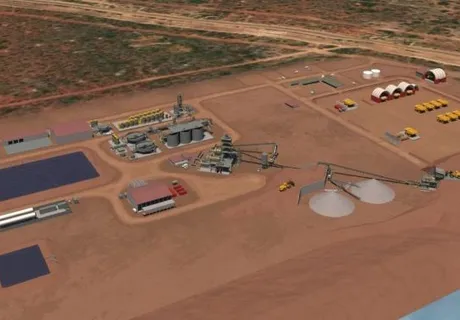
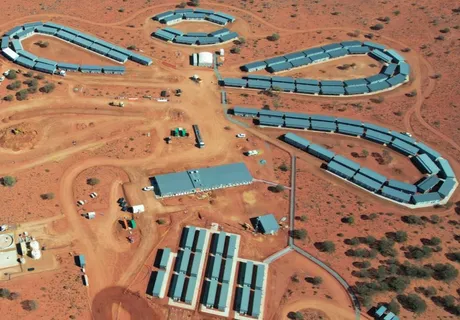
Because the study is done by the engineers who do detailed design and manage delivery, what is estimated is what can be built, and the study work is reused rather than redone. The non-process infrastructure studies for Bardoc and Kathleen Valley are among our engineering studies projects.
Bring us the question — a wetter mine, a deeper shaft, a new site, a system at its limit — and we will tell you what it would take to answer it.