
WHAT WE DO
Know what your mine services can really do, where they are held back, and what to build next.
Every mine runs on a handful of services that nobody notices until they fail: the dewatering that keeps the workings dry, the raw water that feeds drilling and dust suppression, the compressed air behind the tools and the ventilation, and the structures that carry all of it. Most of these systems grew a stage at a time as the mine deepened and the plan changed. Few were ever looked at as a whole.
IMEC audits mine services as complete systems, models what the existing plant can actually deliver, finds the constraints, and produces a plan that takes the mine from where it is today to what the life-of-mine schedule needs. The same engineers then design the fix, and inspect the assets that carry it.
Services we audit
- Dewatering: sumps, pump stations, rising mains and surface handling, from the face to discharge. Capacity against inflow, staging, pump duties, wear, and how much of the system is actually running at any one time.
- Raw water and process water: supply, storage, reticulation and pressure across the workings, and whether the system can follow the mine plan.
- Compressed air: compressors, receivers, mains and leak losses, pressure drop to the point of use, and the real cost of air that never reaches a tool.
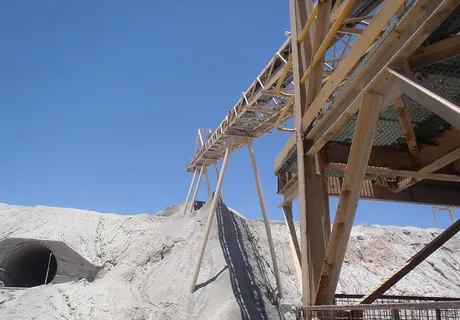
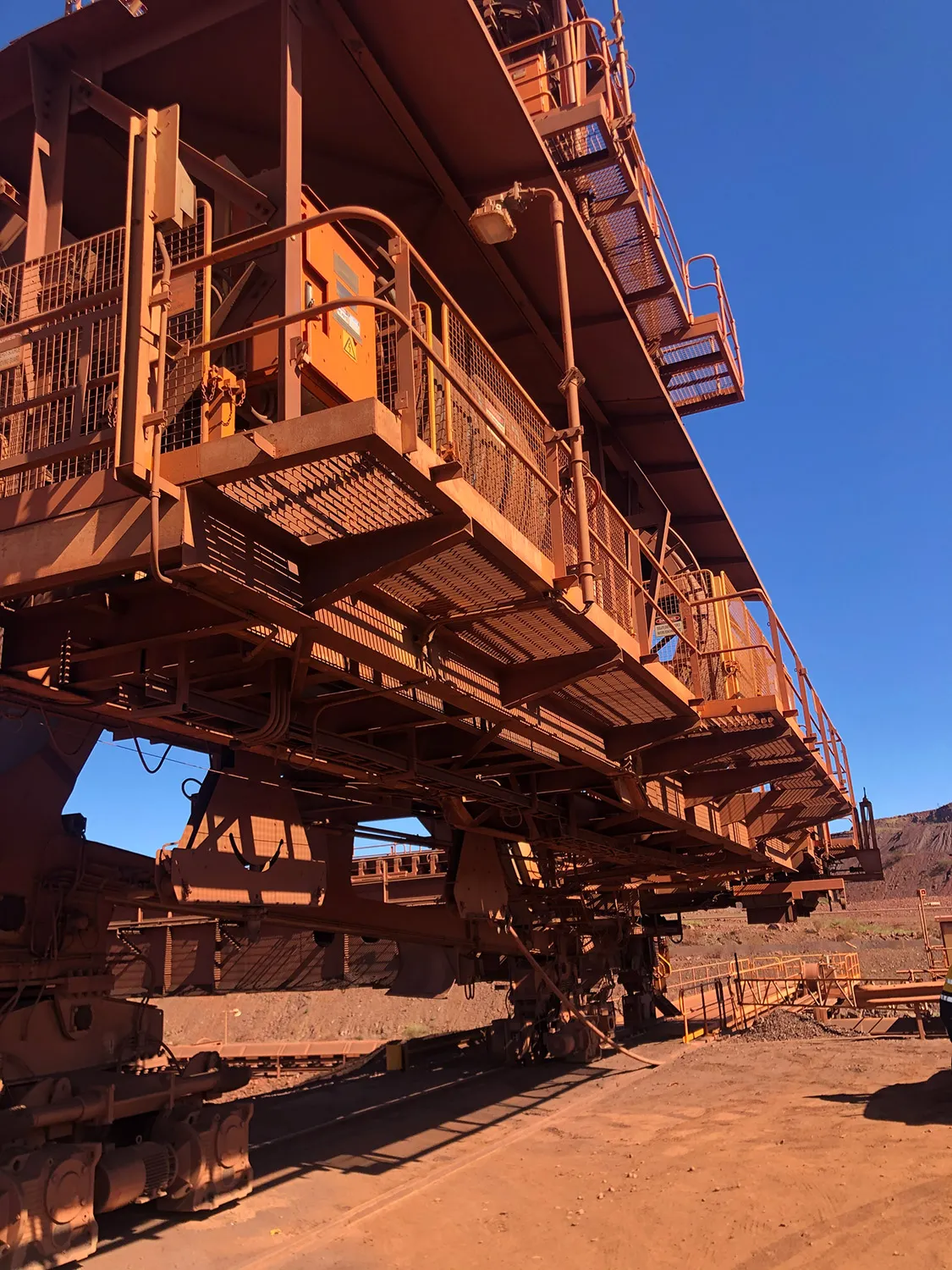
- The structures that carry them: pipe racks, pump-station platforms, monorails, tanks and supports, through our asset inspection work, so the audit covers the condition of the plant as well as its performance.
How an audit works
On site. We walk the system end to end with the people who run it, record what is installed and how it is operated, and take the measurements the drawings never show: flows, pressures, run hours, water quality, settled solids.
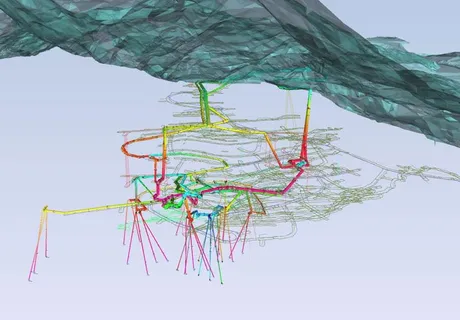
Model the existing system. A hydraulic or pneumatic model of the plant as it is, calibrated against the site measurements, so that the audit reports what the system does rather than what it was designed to do. This is where the bottlenecks show themselves: the undersized main that throttles three pumps, the sump that fills faster than it can be cleaned, the receiver that runs on the wrong pressure band.
Identify the issues. Each finding is classified by its effect on production, safety and cost, so the site can see which few items are worth fixing first and which can wait.
Plan the improvements. A rolling plan of staged changes, each one sized to a real budget window and sequenced with the mine plan, so the system is always one step ahead of the workings rather than one step behind.
Existing plant and the life of the mine
An audit answers two questions at once. The first is about today: what is this plant capable of, and what is stopping it? The second is about the years ahead: as the mine deepens, expands or changes its mining method, what will the services have to deliver, and when?
We answer the second with a life-of-mine system design: the dewatering, water and air systems modelled against the mine schedule, with the pump stations, mains and compressor stages laid out on a timeline. Sites use it to place capital where it changes something, to avoid buying plant twice, and to stop the inflow, the pressure or the air running out in the year the schedule needs it most.
What you receive
- A report on the existing system: what is installed, how it is performing, and the model behind the numbers.
- A prioritised register of issues and bottlenecks, each with its effect on production and a recommended fix.
- A staged improvement plan aligned with the mine plan, with indicative costs.
- Where the audit includes inspections, defect registers and remedial action lists the site can track.
- The models, which stay useful: we re-run them as the plan changes.
From audit to design
Because the audit is done by the engineers who design pump stations, water systems and the structures around them, there is no hand-over. Findings become engineering design — a new pump station, a re-staged dewatering system, a replacement main, a strengthened platform — with the audit model already built and the site already understood.
Most audits start with a two-to-five-day site visit. Talk to us about the system that is giving you trouble, or the one you suspect is costing more than it should.