
WHAT WE DO
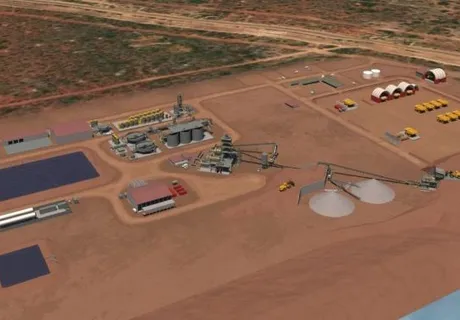
Lay out a new mine’s infrastructure once, properly, so every facility on it can go straight to detailed design.
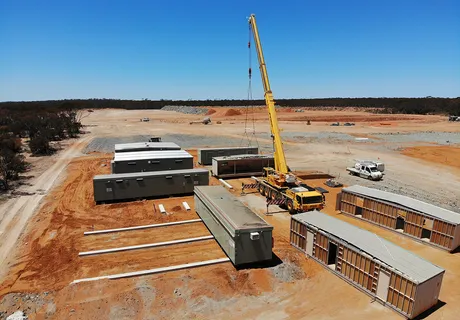
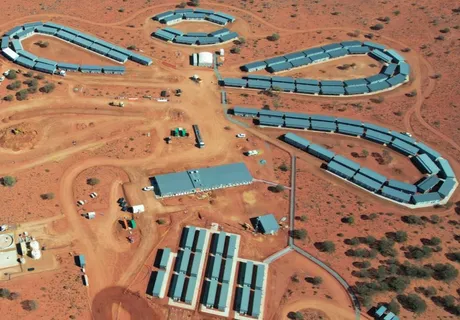
Before a new mine can produce, it has to be established: offices and change houses, workshops and warehouses, wash-down bays, fuel storage and refuelling, power and water, laydown and waste, and the roads that connect them. These facilities are not the process plant, but they decide how well a site runs every day for the life of the mine, and once the earthworks are in they are expensive to move.
IMEC designs the site layout as a whole, then carries each facility into detailed design. The layout is done by the same engineers who will design the workshop, the fuel bay and the services that feed them, so what is drawn at the start is what can be built.
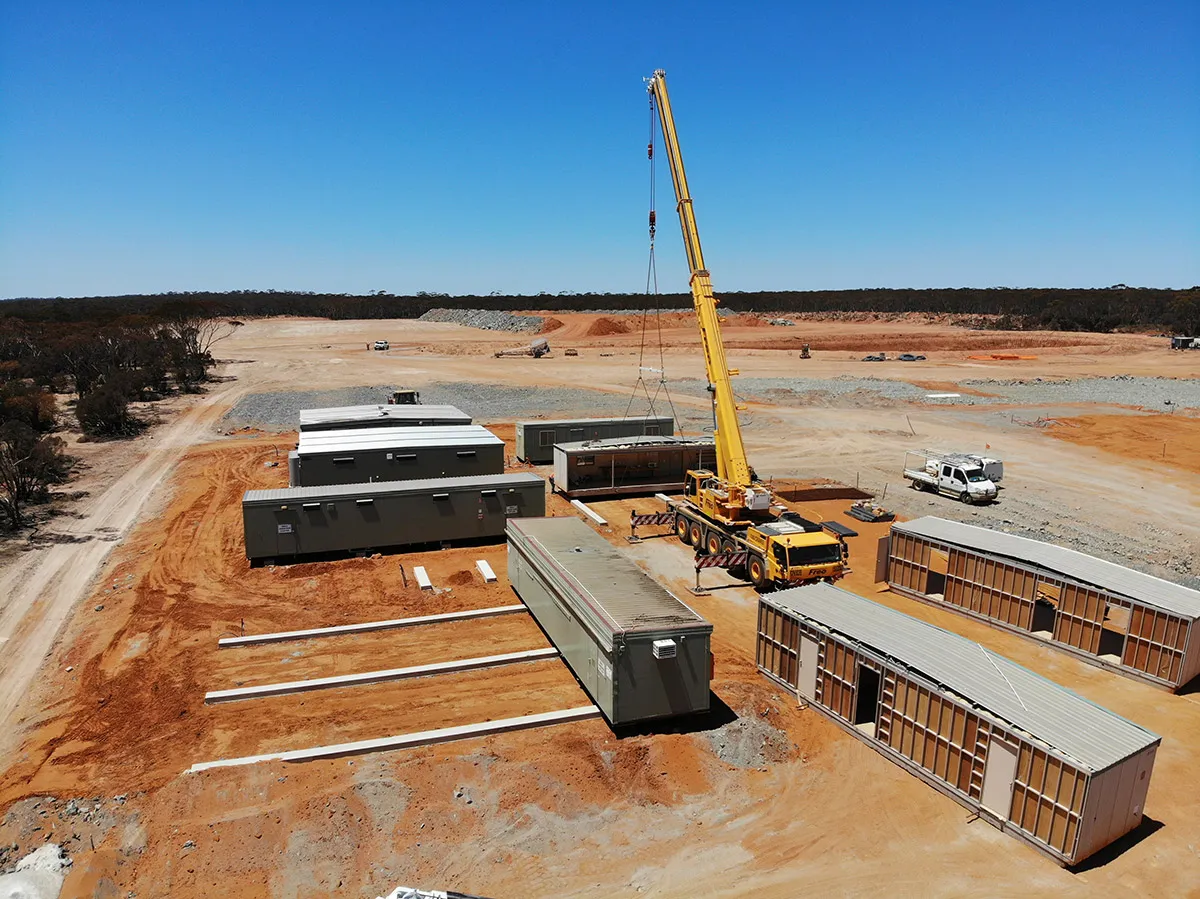
What a site establishment layout covers
- The major non-process facilities: administration and offices, change houses and crib rooms, mobile-equipment workshops, warehouses and laydown, wash bays, tyre and lube facilities, fuel storage and refuelling, explosives handling where required.
- Services: raw water and potable water, sewage, power distribution, compressed air, communications, and where each service enters the site and how it is reticulated.
- Traffic and access: separation of light and heavy vehicles, haul-road interfaces, parking, emergency access and the movement of people between facilities.
- Ground and environment: topography and drainage, prevailing wind and dust, flood levels, tenement and environmental boundaries, and the room the mine will need to grow.
- Staging: what has to exist on day one, what follows with production, and what the layout must leave room for.
How we work
Start from the mine plan. Fleet size, workforce, production rate and mine life set the size of everything else: how many bays a workshop needs, how much fuel is stored, how much water the site draws. We take these from the study or the operating plan rather than from rules of thumb.
Options, then a layout. Two or three arrangements, compared on earthworks, services runs, traffic safety and the ability to expand, with a recommendation. The chosen layout is developed into a general arrangement with levels, setbacks and the service corridors fixed.
Then detailed design. Each facility on the layout is a package we can design in-house: the fuel bay, the workshop structure, the wash-bay civils and water treatment, the services reticulation. Because the layout already sized and placed them, the detailed design starts from a settled brief.
Approvals. The layout is prepared with the regulator in mind, and we assemble the engineering for the submissions the site needs.
Expansions and re-establishment
The same approach works on an operating site: a second workshop, a relocated administration area, a camp that has outgrown its services, or a site being re-established after care and maintenance. The layout study tells the site what it has, what it needs, and how to get there without stopping production.
What you receive
- A site layout general arrangement, with the facilities sized to the mine plan and services corridors fixed.
- An options report with the comparison behind the recommendation.
- Facility briefs for each package, ready for detailed design or for tender.
- Earthworks, services and cost estimates at study level.
- Detailed design of any or all of the facilities, by the same team.
Our non-process infrastructure design for the Cassini nickel mine is a complete example: site layout, fuel storage, offices, workshops, wash-down bays, services and traffic, designed as one job. The Bardoc and Kathleen Valley non-process infrastructure studies show the same work at study stage. Talk to us early — the earlier the layout is settled, the more of the mine’s money it saves.